

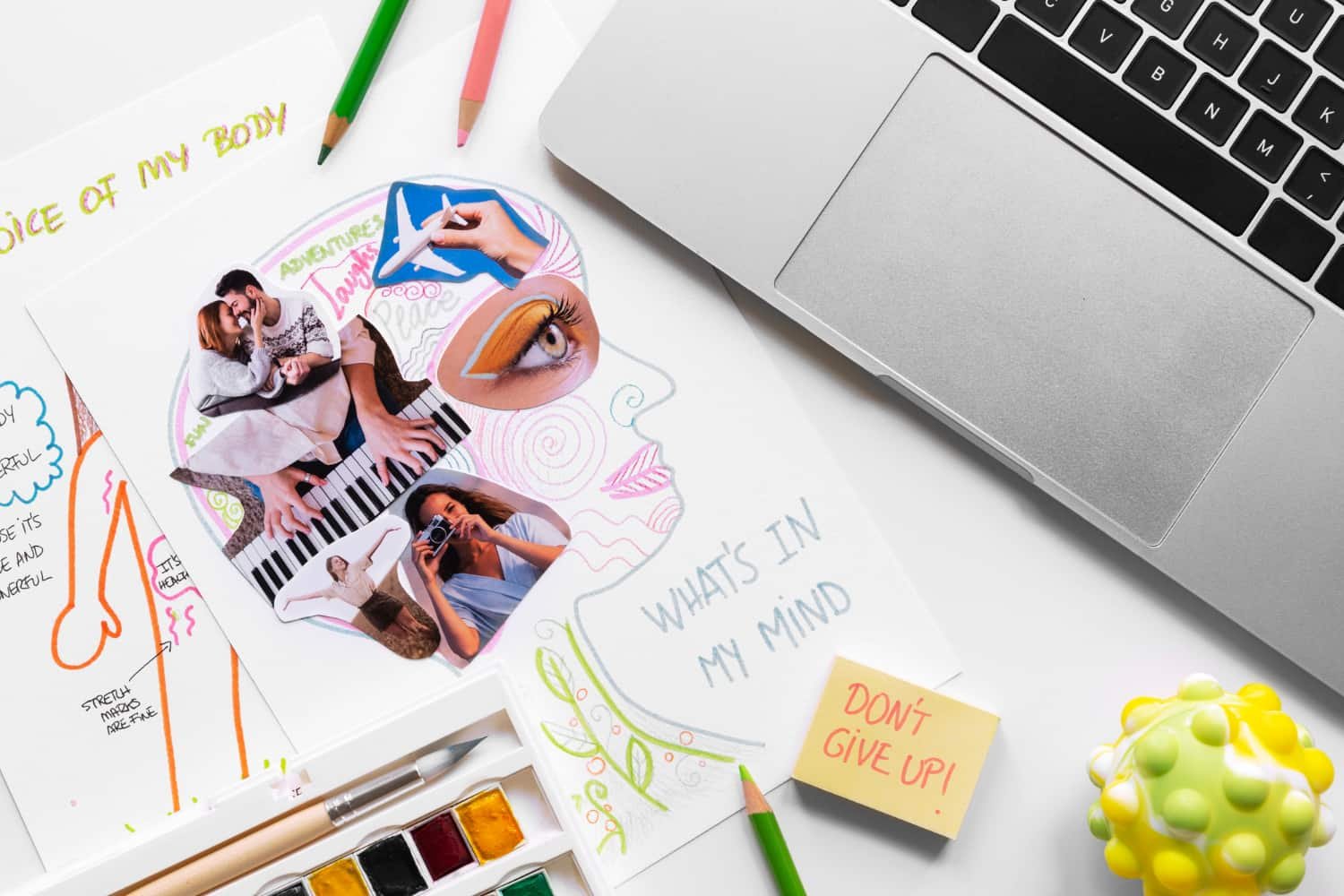
Design is the first “conversation” with a user—one that happens before they read even a single word. First impressions of a website, or any digital post, are formed within milliseconds. This instant judgment about quality and trustworthiness determines whether a user stays on the page or scrolls away.
Aesthetic appeal immediately builds trust in the brand and its content. The human brain actively processes visual information, and the visual cortex is especially engaged when people imagine something rather than simply perceive it. This emphasizes the active role visuals play in engagement—they don’t just show, they invite imagination and mental interaction. An attractive interface creates a positive bias in the user’s mind, making them believe the product or content will work better. This emotional response makes users more forgiving of minor flaws and more likely to continue interacting. In this way, the initial aesthetic impression creates a ripple effect across the entire user journey, shaping their perception of functionality even before deeper interaction begins.
Building Trust and Emotional Connection Through Design
Visual design is essential for establishing brand trust and credibility. When a brand looks reliable, people are more likely to trust it. In contrast, an unprofessional or low-quality look can signal amateurism and poor standards, pushing potential customers away. Design is not just a finishing touch—it’s the foundation of how a brand is perceived and how effective it is.
Aesthetics help a brand stand out and create a unique, memorable visual identity. But their influence goes beyond trust and reliability. Visual elements foster emotional connection with the audience. This emotional resonance drives behavior, leading to stronger attachment and loyalty.
Emotional design, as described by Donald Norman, includes three levels of response: visceral (appearance), behavioral (functionality), and reflective (self-image). Emotionally rich design can strengthen the bond between product and user, increasing satisfaction and long-term engagement. Design becomes a strategic tool—not just for initial attraction but for turning users into loyal brand advocates.
Key Elements of Aesthetic Post Design
Color is a powerful tool for creating visual hierarchy, evoking emotions, and conveying meaning. Different colors trigger different responses—for example, red is linked to energy and passion, while blue conveys calm and hope. A well-chosen palette not only looks good but also encourages specific actions.
Color selection is not just about beauty—it’s a psychological strategy. It can be used to guide user behavior, highlight calls to action, and express brand values. For instance, a bold, bright color can draw attention to a call-to-action button. Color choices should be intentional, based on the user reaction you want to achieve, helping boost engagement and conversion.
Typography: Readability and Brand Image
Font choice has a major impact on how text is perceived and how easy it is to read. Readability means how effortlessly users can read and understand the content. Typography, along with a logo, shapes first impressions, makes a brand recognizable, and builds trust.
Fonts have their own personality and affect brand perception. Serif fonts convey stability, professionalism, and tradition—often used in finance. Sans-serif fonts feel modern, clean, and minimal—well-suited for tech and innovation brands.
Typography also affects cognitive load. Poor font choices—too small, overly decorative, excessive italics—make it harder for users to process information. This can cause frustration, reduce comprehension, and lead users to abandon the content. Readability isn’t just a nice feature—it’s a critical factor for a smooth user experience and content retention.
Layout and Visual Hierarchy: Guiding Attention
The way content is arranged on a screen plays a key role in how users process information. Visual hierarchy is the order in which elements are presented, guiding the viewer’s eye to what matters most. Size, contrast, position, spacing, and alignment help direct attention.
A clear visual hierarchy prevents choice paralysis—when users don’t know where to look—and helps them absorb information faster. Strategic use of white space is just as important as the content itself. It improves readability, reduces clutter, and focuses attention, which lowers cognitive load and enhances user experience. White space isn’t just for “clean” aesthetics—it’s a functional design tool that improves understanding and reduces mental effort.
The Power of Images and Video
Video has become a dominant format in digital marketing, and visual content drives engagement across platforms. Posts with images or videos get significantly more views and interaction compared to those without.
People remember information much better when it’s paired with relevant visuals. A large part of the information our brain processes is visual. High-quality images and videos not only increase engagement—they add depth to storytelling, making content more memorable.
Visual content, especially video, taps into how the human brain is wired: we process visuals far faster than text and are naturally drawn to visual information. This makes visual content not just a trend, but an essential optimization for communicating effectively and capturing attention in a distracted digital world.
Practical Tips for Increasing Engagement
Minimalism
Clean lines, minimal decoration, and ample white space help create a simple and intuitive visual identity. Too many details or elements can overwhelm and confuse the audience, increasing cognitive load. A clean, uncluttered layout keeps the reader’s focus on the most important elements.
Consistency
Using a unified visual language—colors, fonts, logos, graphic style, and tone of voice—across all design elements builds a cohesive and recognizable brand identity. Inconsistency can cause confusion, reduce trust, weaken brand identity, and ultimately hurt sales. On the other hand, consistent branding signals stability, professionalism, and reliability. It creates psychological comfort and fosters long-term loyalty, making every brand interaction feel familiar and predictable. This comfort encourages repeated engagement and deepens user connection.
The Importance of Visual Quality
Use high-quality, relevant images and videos that support your message and add value. Blurry, pixelated, or low-quality visuals instantly damage trust and come across as unprofessional, pushing users away. If product photos are unclear, poorly lit, or lacking detail, customers are less likely to trust the product’s quality.
Visual authenticity—using real photos and stories from your brand instead of generic stock or AI-generated content—builds greater trust and resonates more deeply with your audience. It’s not just about technical quality, but about emotional authenticity and creating a real connection.
Platform Adaptation: Different Networks, Different Needs
Each social media platform has unique specifications, formats, resolutions, and aspect ratios for images and video. A “one-size-fits-all” design approach doesn’t work. What looks great on one platform may appear awkward on another. For example, Instagram uses a 4:5 ratio for images, while TikTok and Instagram Reels prefer 9:16 for video.
Optimizing for each platform is not just about avoiding pixelation or awkward cropping—it’s about maximizing reach and engagement by aligning with the native environment and user behavior. Adding subtitles to videos is also critical, since most users watch social videos without sound. Adapting content this way improves the user experience and increases impact.
Using Interactive Elements
Interactive features like quizzes, polls, sliders, animations, and micro-interactions can significantly boost user engagement and time on page. Polls are especially effective because users receive instant results and are more likely to participate in discussions, increasing comment activity.
Interactivity turns passive viewing into active engagement. This shift deepens emotional involvement and opens the door for richer storytelling. Interactive elements also provide valuable feedback mechanisms—such as progress indicators or real-time poll results—which reduce cognitive effort by giving users a sense of control and momentum. They are not just “nice extras” but functional tools that improve usability, satisfaction, and emotional connection.
Measuring Success: How to Evaluate the Impact of Aesthetics
High-quality design directly impacts user retention and conversion rates. A well-designed interface can significantly improve conversion performance. Time spent on page or time spent viewing content is a key indicator of engagement. Poor design, which increases cognitive load, directly lowers these metrics.
The impact of aesthetics isn’t just subjective—it can be measured and tied to real business outcomes. This reframes design from a “nice to have” into a strategic investment with clear returns, making a strong case for prioritizing visual quality.
A/B Testing Design
Gathering user feedback and running A/B tests is essential for making informed design decisions and ongoing improvements. Testing helps identify which design choices evoke the best emotional responses and lead to higher conversion rates.
A/B testing should go beyond usability to include emotional response testing. This reveals not only what works functionally, but also what resonates emotionally with users, leading to more impactful and emotionally rich designs that drive stronger connections.
Final Thoughts
Aesthetic design is much more than just “a pretty picture.” It’s a powerful strategic tool that shapes perception, emotion, and user behavior. From the first impression that builds trust to the deeper emotional bond that fosters loyalty, visual design is the foundation of successful digital communication.
To maximize engagement, take a holistic approach: understand the psychology of color and typography, apply visual hierarchy to guide attention, use authentic, high-quality visuals tailored to each platform, and incorporate interactive elements. Simplicity and consistency aren’t just about beauty—they reduce cognitive strain and make content easier to absorb.